
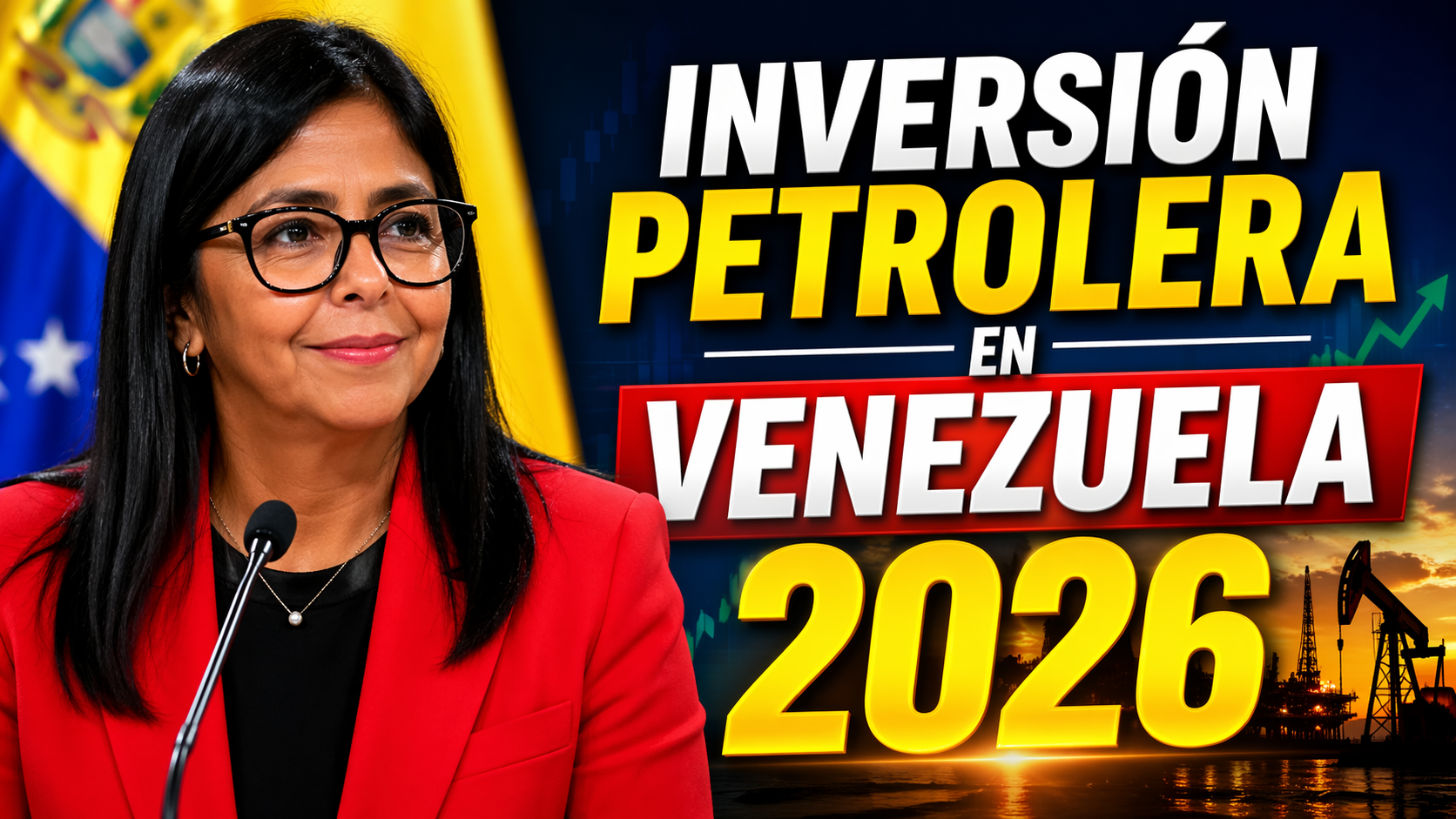
Venezuela once pumped over 3 million barrels daily in the early 2000s, bankrolling social programs under Chávez. Mismanagement, corruption, and sanctions cratered output to 350,000 barrels by 2020. PDVSA, the state behemoth, bled talent and infrastructure, leaving Orinoco Belt heavy crudes untapped. Enter 2026: Post-political upheaval, the January 29 reform of the Organic Hydrocarbons Law (published in Official Gazette No. 6,978) scraps exclusivity rules, allowing private firms domiciled in Venezuela to handle exploration, extraction, and transport.
Detalles de la Reforma de Hidrocarburos
Promulgated January 29, the reform modifies Article 22, ending PDVSA’s monopoly on primary activities. Now, three structures thrive: state direct ops, mixed companies (state >50% stake), or contracts with private operators. Chevron’s deal elevates its Petroindependencia stake to 49%, granting Block VIII rights in Petropiar.
Arbitration clauses streamline disputes, minority shareholders gain marketing and banking rights, and operational control flexes for efficiency. Effective April for fiscal tweaks, it mandates project-specific tailoring for competitiveness.
Beneficios Fiscales Clave
The reform slashes barriers with royalties capped at 30% (reducible for viability), replacing rigid 40% hikes. A new Integrated Hydrocarbons Tax hits 15-50%, but exemptions wipe out science, tech, sports levies, and windfall taxes on high prices.
Income tax drops potentially below standard rates, with 2-12% rebates for new investments. No more «extraordinary price» contributions—pure economics drive terms. Ministry of Finance opinions ensure flexibility, boosting IRRs for heavy-oil upgraders.
This table highlights how reforms could lift project NPVs by 25% for majors like Repsol eyeing triples.
Acuerdos de Inversión Recientes
April 13’s Chevron pact exemplifies momentum: Expanded ops in joint ventures, targeting production ramps via well workovers. Repsol eyes tripling output with $1.4 billion across sector. U.S. firms, post-sanctions ease, pour in amid Trump-era calls for $100 billion rebuilds—though viability hinges on stability.
Rodríguez hails «secure paths» for $1.4 billion inflows, up 55% from 2025, via Petroindependencia and Petropiar upgrades. Europe and Asia scout, drawn by 300 billion barrel reserves.
Proyecciones de Producción e Impacto Económico
PDVSA’s Héctor Obregón targets 18% growth to 1.4 million bpd, with EIA eyeing pre-blockade levels by mid-year. Kpler forecasts 1.2 million bpd end-2026 via Maracaibo interventions and Chevron upgraders. At $80/barrel, this nets $40 billion revenue, funding 75% GDP rebound.
Remittances and exports stabilize bolívar; jobs hit 200,000 in services. Global supply rises, pressuring Brent to $57-70, but Venezuela regains 5% Latin market share.
Comparación de Regímenes Fiscales
Pre-reform: Multi-layer hell—royalties + 34% tax + windfalls crushed IRRs below 10%. Post: Streamlined to royalty + integrated tax, exemptions galore. Private ops cut PDVSA costs 30%, royalties flex per economics. Cumulative burden drops 15-20 points, rivaling Guyana’s model.
Desafíos para Inversionistas
Discretionary royalties breed uncertainty; legacy debt ($150 billion) and infrastructure decay linger. Political flux post-Maduro demands guarantees. Sanctions remnants and talent exodus slow ramps. Mitigation: Arbitration, JV structures, and IMF ties.
Perspectivas Futuras
By 2028, 2 million bpd beckons with sustained FDI. Reforms could cascade to gas, renewables hybrid. Venezuela reenters OPEC+ as producer, not pariah. For investors, it’s high-reward frontier: Fiscal keys unlock Orinoco gold.

Allison Walsh es periodista y redactora especializada en noticias internacionales y actualidad digital. Con un enfoque en información clara y verificada, cubre temas globales para mantener a los lectores informados con contenido confiable y relevante.